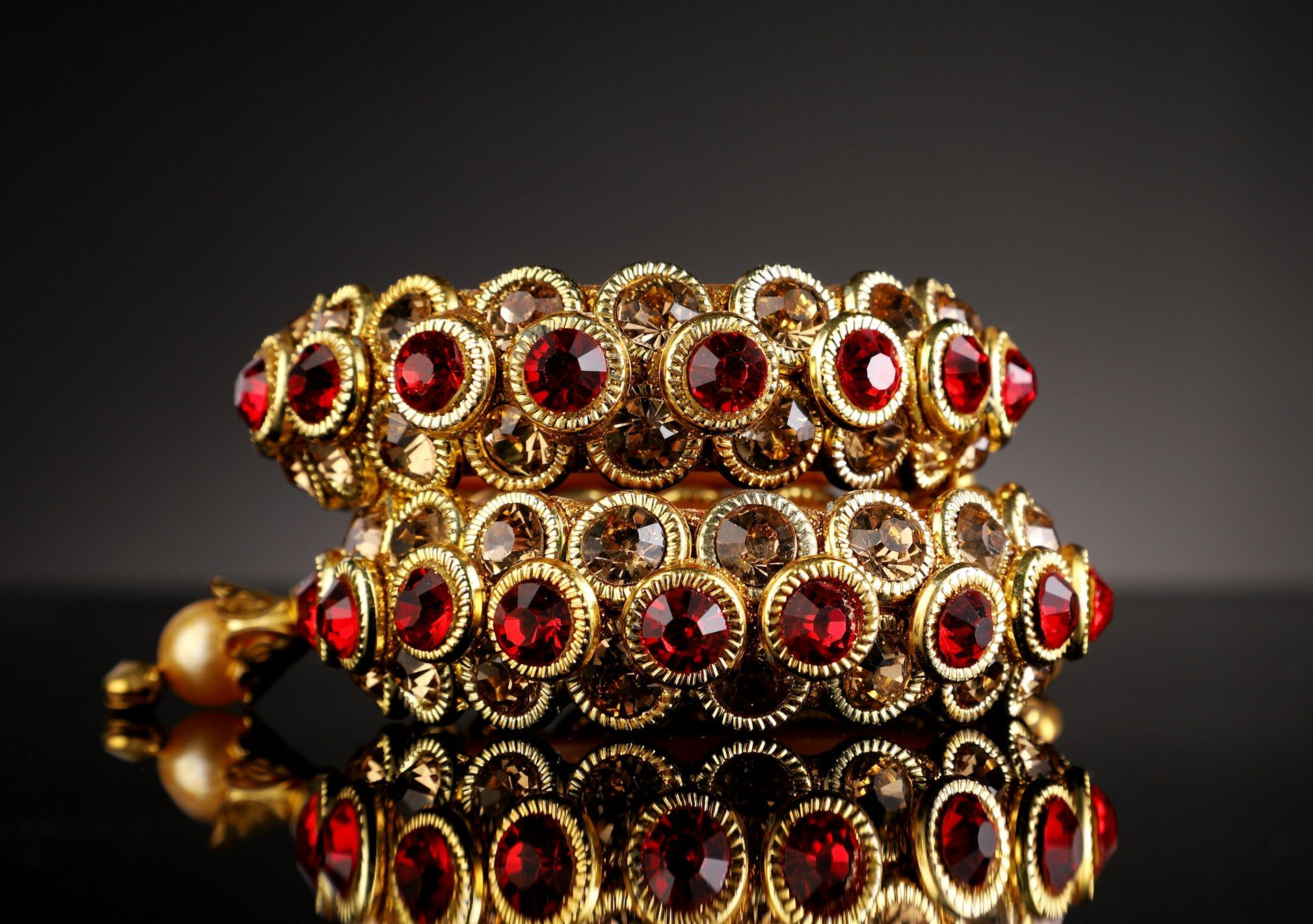
Introduction: Jewelry has been an integral part of human culture for thousands of years, symbolizing status, beauty, and personal expression. From ancient civilizations to contemporary fashion, the design and significance of jewelry have evolved dramatically. This post delves into the fascinating history and evolution of jewelry design, highlighting key cultural influences and notable designers who have shaped the industry.
Ancient Civilizations: The Birth of Jewelry Design The history of jewelry design dates back to ancient civilizations such as Egypt, Mesopotamia, and the Indus Valley. In these early societies, jewelry was not only a symbol of wealth and status but also held religious and cultural significance. Egyptian jewelry, for instance, was often made of gold and adorned with precious stones like turquoise and lapis lazuli. These pieces were designed to reflect the wearer’s power and connection to the divine.
The Influence of Greek and Roman Cultures Greek and Roman cultures further advanced jewelry design, introducing new techniques and styles. The Greeks were known for their intricate metalwork and use of gemstones, creating pieces that were both aesthetically pleasing and symbolic. Roman jewelry, on the other hand, often featured cameos and intaglios, showcasing detailed carvings and portraits. These designs influenced European jewelry for centuries to come.
The Renaissance and the Rise of Personal Adornment The Renaissance period marked a significant shift in jewelry design, emphasizing personal adornment and individualism. Jewelers began to experiment with new materials and techniques, leading to the creation of more elaborate and ornate pieces. This era also saw the rise of notable designers like Benvenuto Cellini, whose work set the standard for craftsmanship and artistic expression in jewelry.
The Victorian Era: Sentiment and Symbolism The Victorian era brought about a new wave of jewelry design characterized by sentimentality and symbolism. Queen Victoria herself was a major influencer, popularizing mourning jewelry after the death of her husband, Prince Albert. This period saw the use of lockets, brooches, and other pieces that conveyed personal emotions and memories, often incorporating materials like hair and enamel.
Art Nouveau and Art Deco: The Birth of Modern Design The late 19th and early 20th centuries introduced two groundbreaking movements in jewelry design: Art Nouveau and Art Deco. Art Nouveau emphasized organic forms, flowing lines, and natural motifs, with designers like René Lalique leading the way. Art Deco, in contrast, embraced geometric shapes, bold colors, and modern materials such as platinum and Bakelite. Both movements had a lasting impact on the aesthetics of contemporary jewelry.
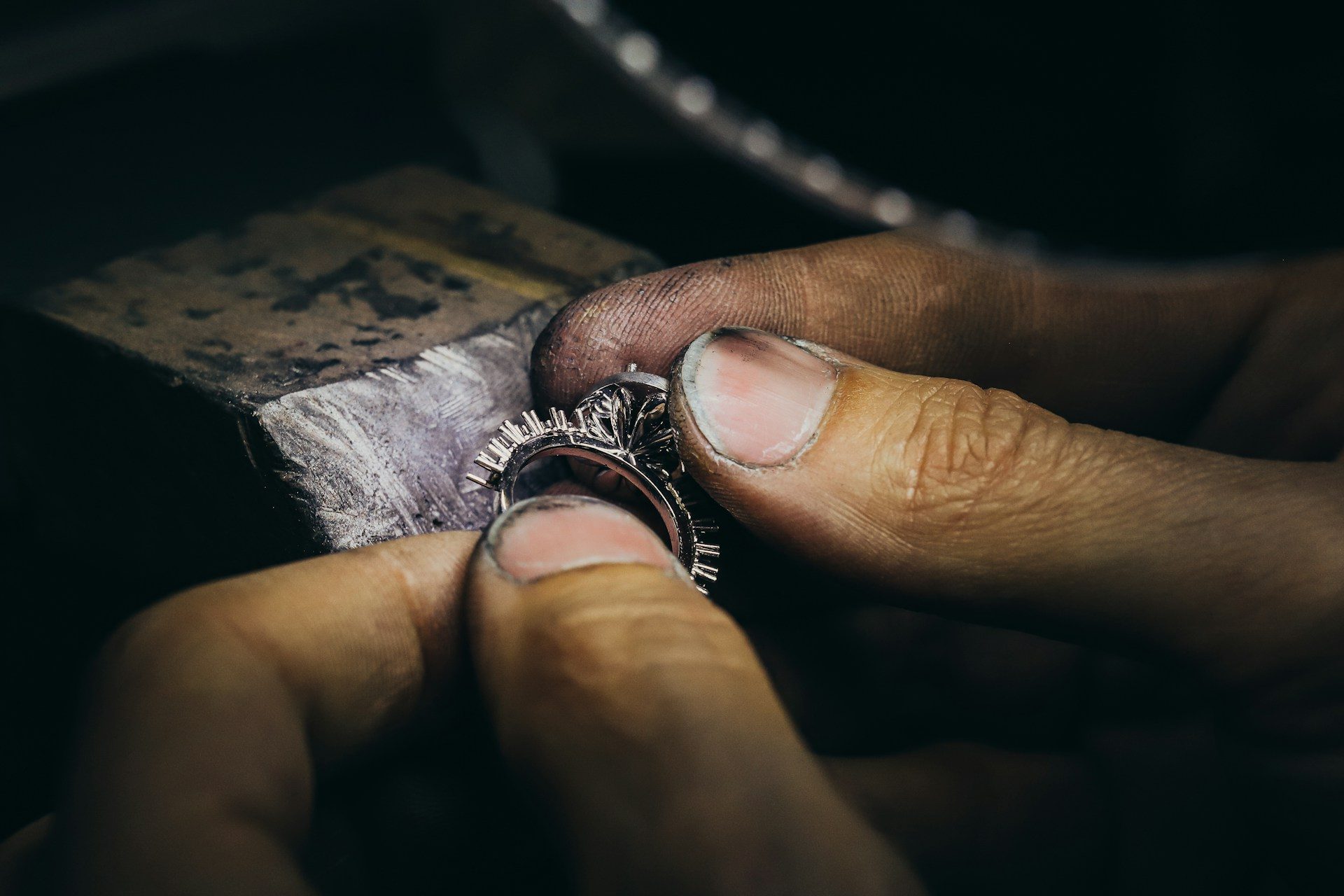
Contemporary Jewelry: Innovation and Individuality Today’s jewelry design is a reflection of a diverse and globalized world. Contemporary designers draw inspiration from various cultures, historical periods, and technological advancements. The use of 3D printing, ethically sourced materials, and innovative techniques has expanded the possibilities of jewelry creation. Designers like Elsa Peretti, David Yurman, and Shaun Leane continue to push the boundaries of artistry and craftsmanship.
Conclusion: The Timeless Appeal of Jewelry Design The evolution of jewelry design is a testament to humanity’s enduring fascination with adornment and self-expression. From ancient treasures to modern masterpieces, jewelry has always been more than just decoration—it’s a reflection of our values, beliefs, and creativity. As we look to the future, the art of jewelry design will undoubtedly continue to evolve, inspiring new generations of creators and admirers.